
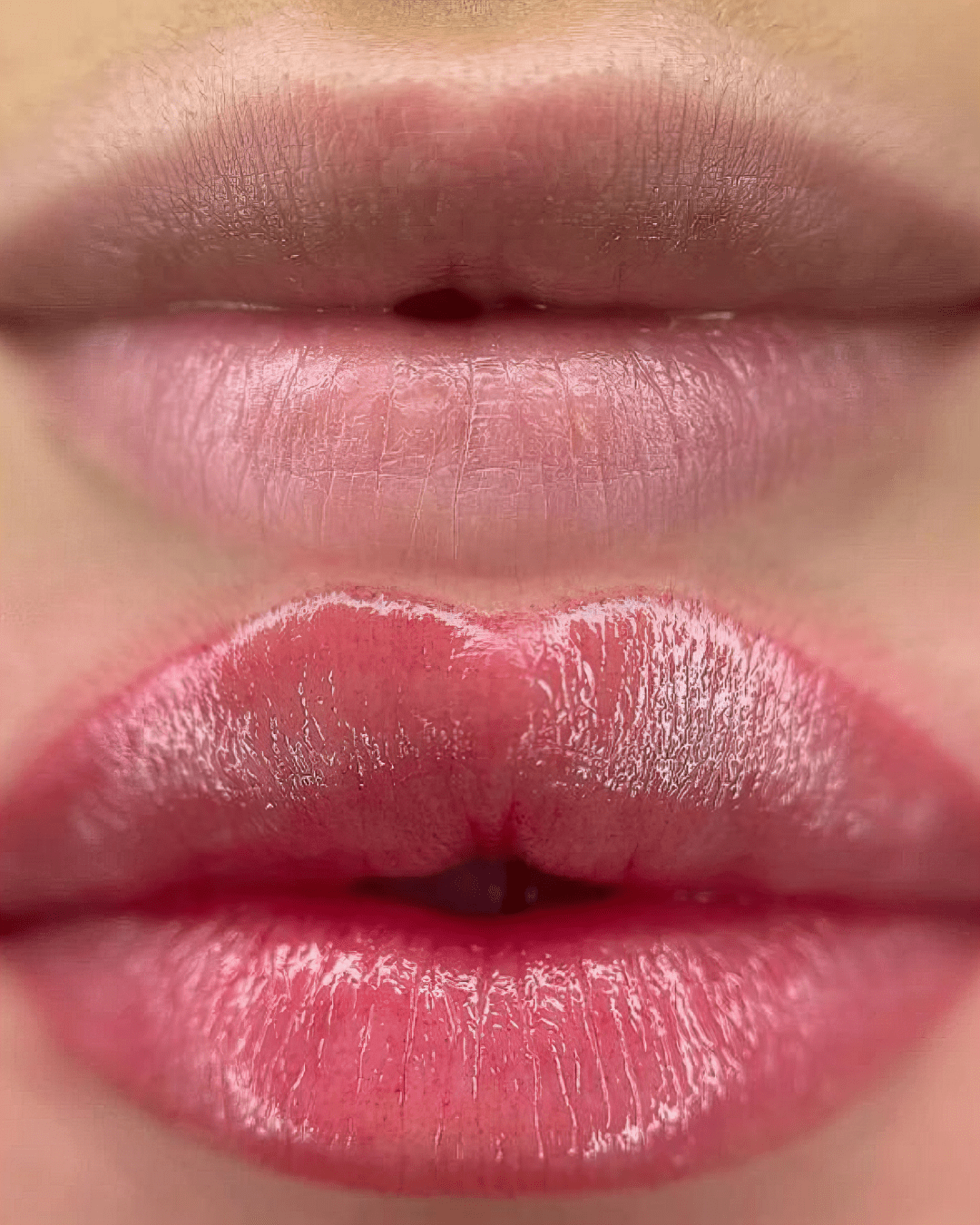
Lip Blush in Zurich
Aquarelle Lips Tattoo
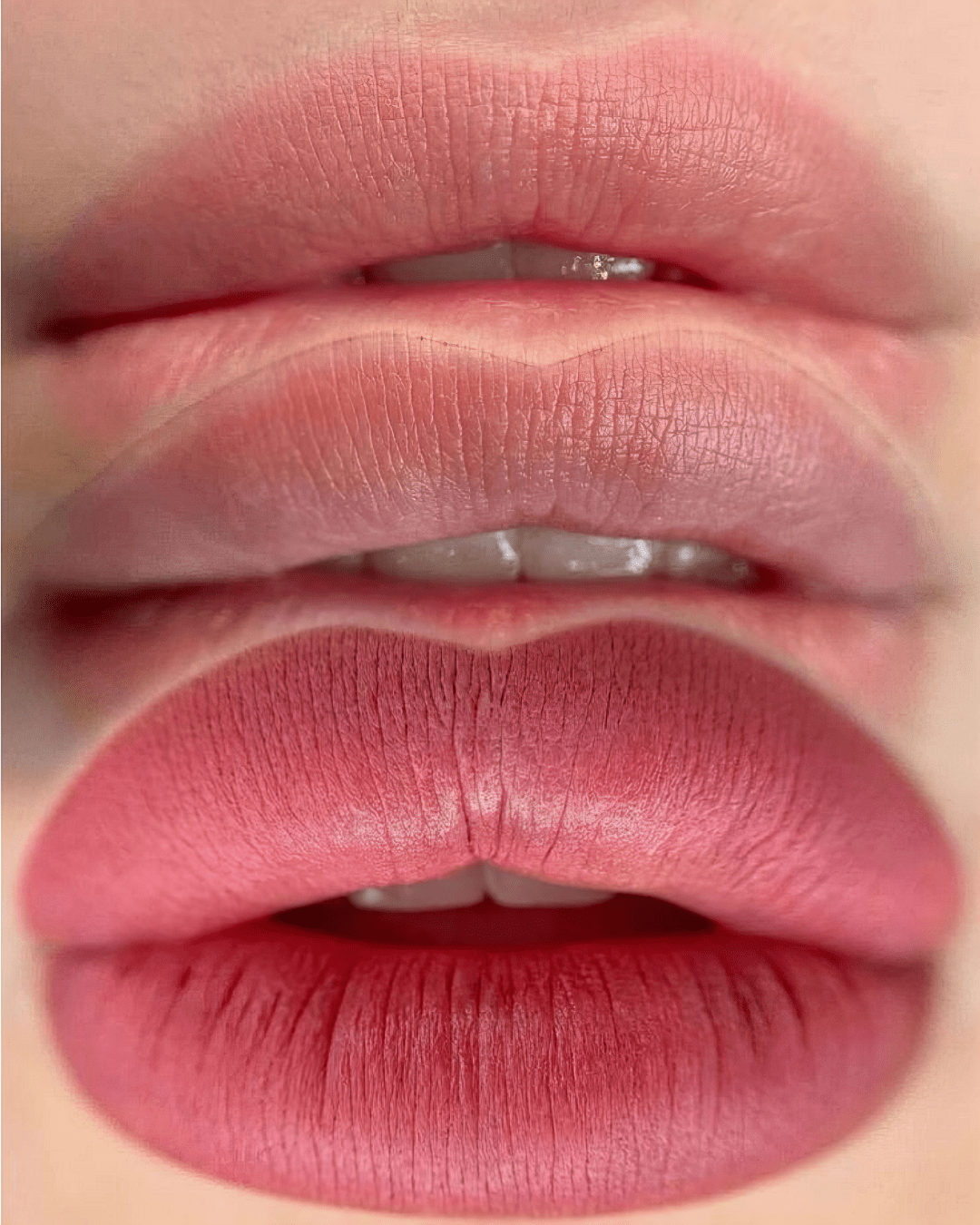
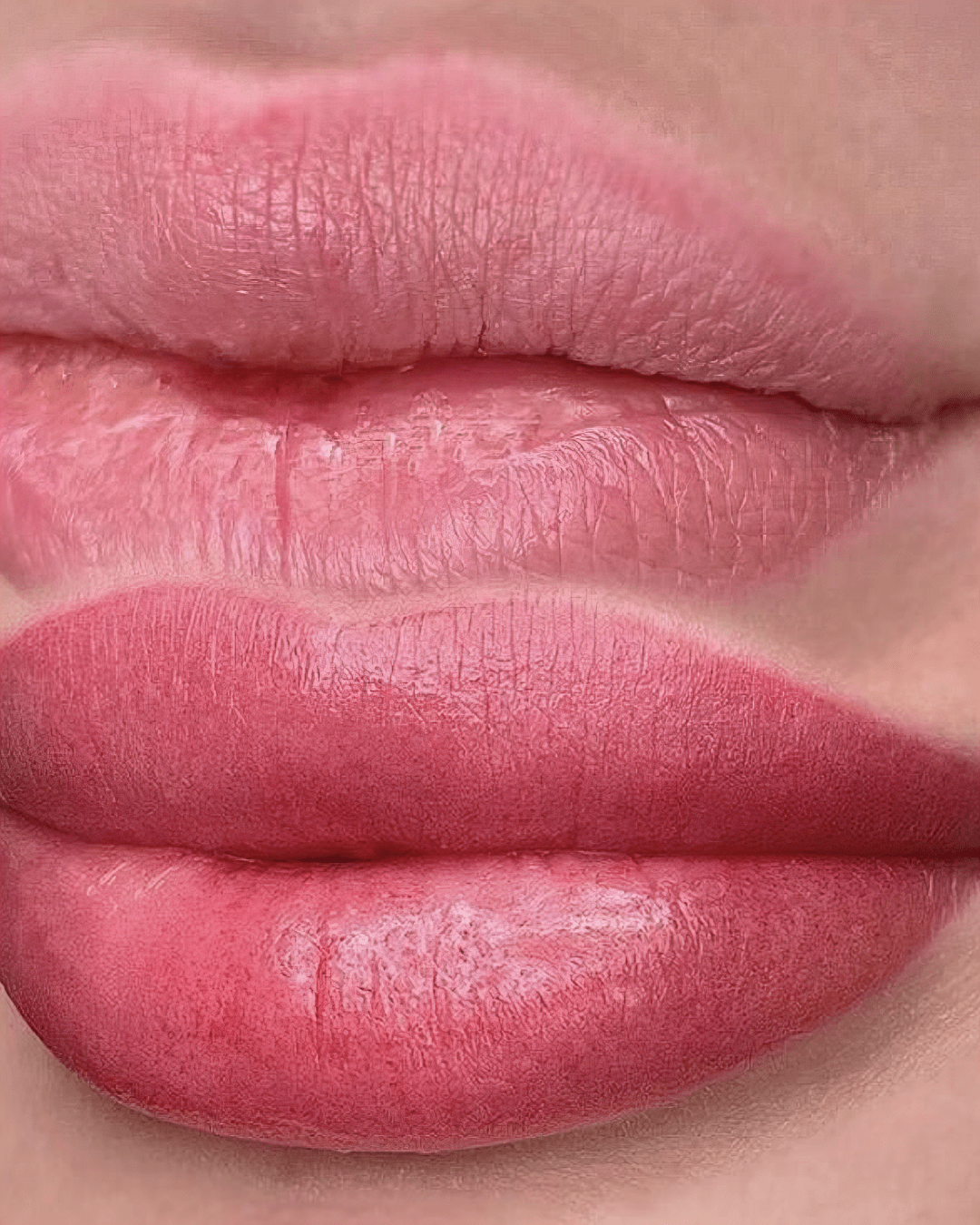
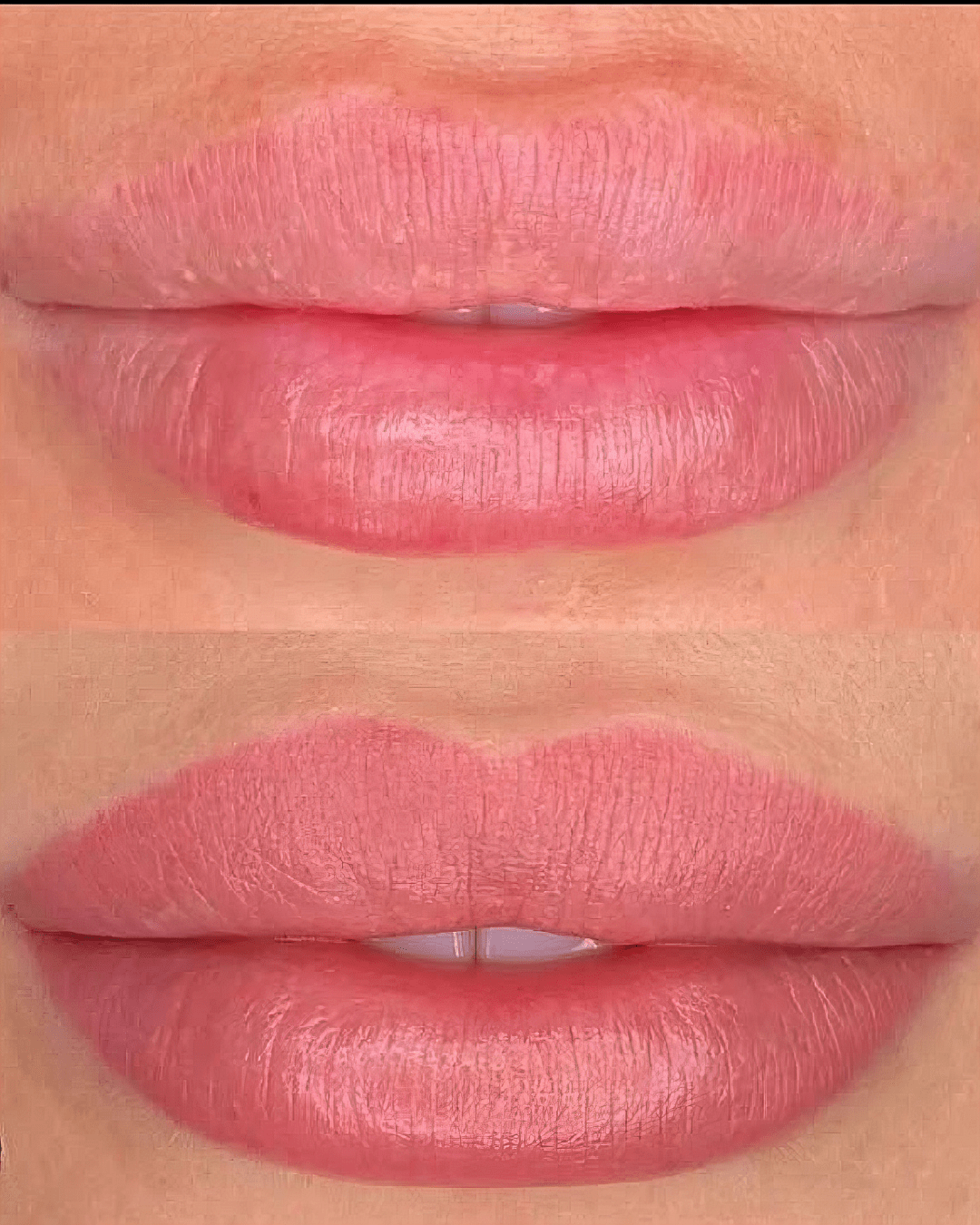
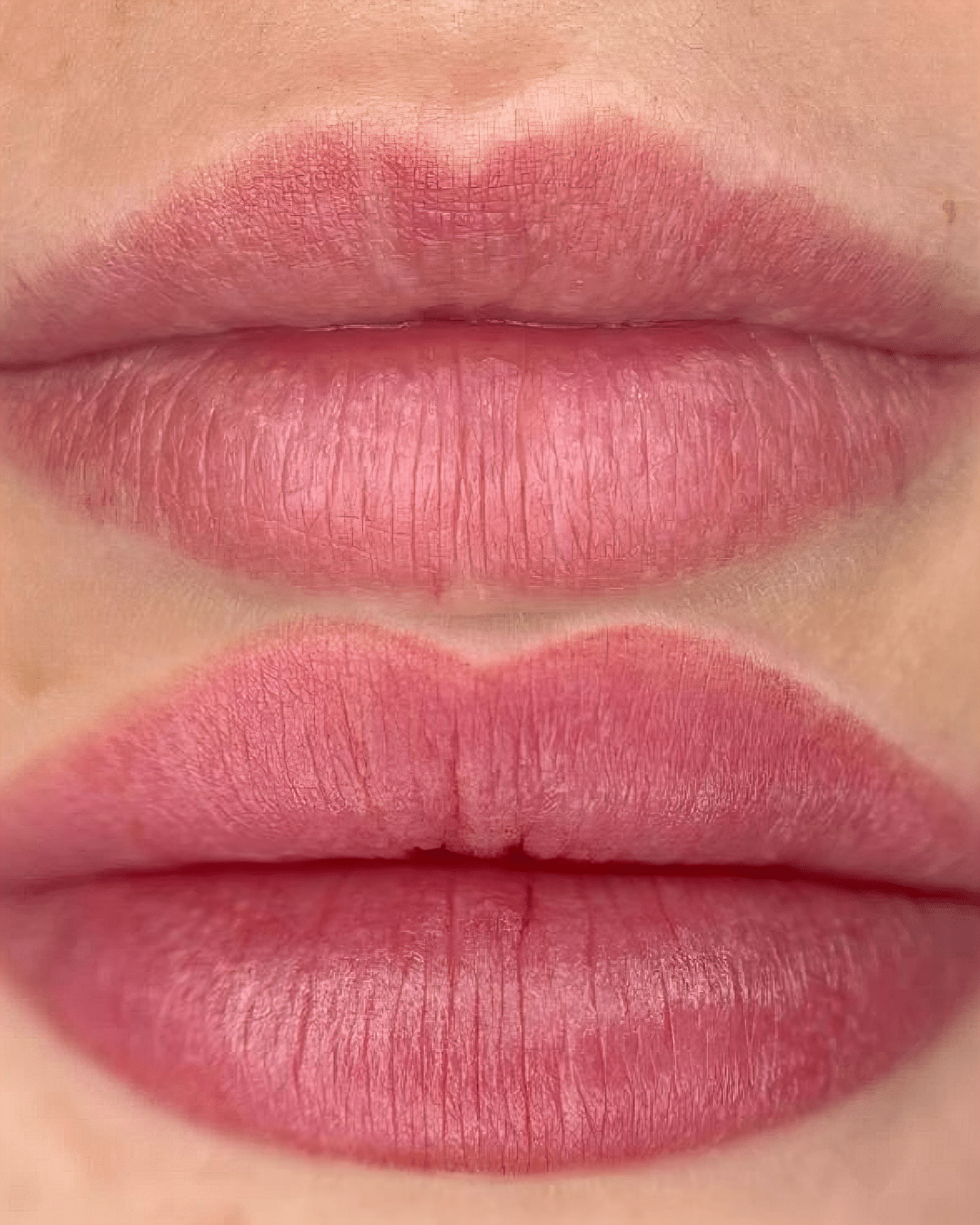
A soft, peach-toned, alluring smile always captures attention.
A delicately shaped lip contour combined with gentle shading gives the lips a fresh, vibrant appearance while subtly masking small imperfections such as scars or marks from past cold sores. Whether your lips are thin, asymmetrical, pale, or naturally darker, the right permanent lip shading can create a fuller, radiant smile that lasts for years. Add a touch of lip gloss, and you’re ready to charm the world.
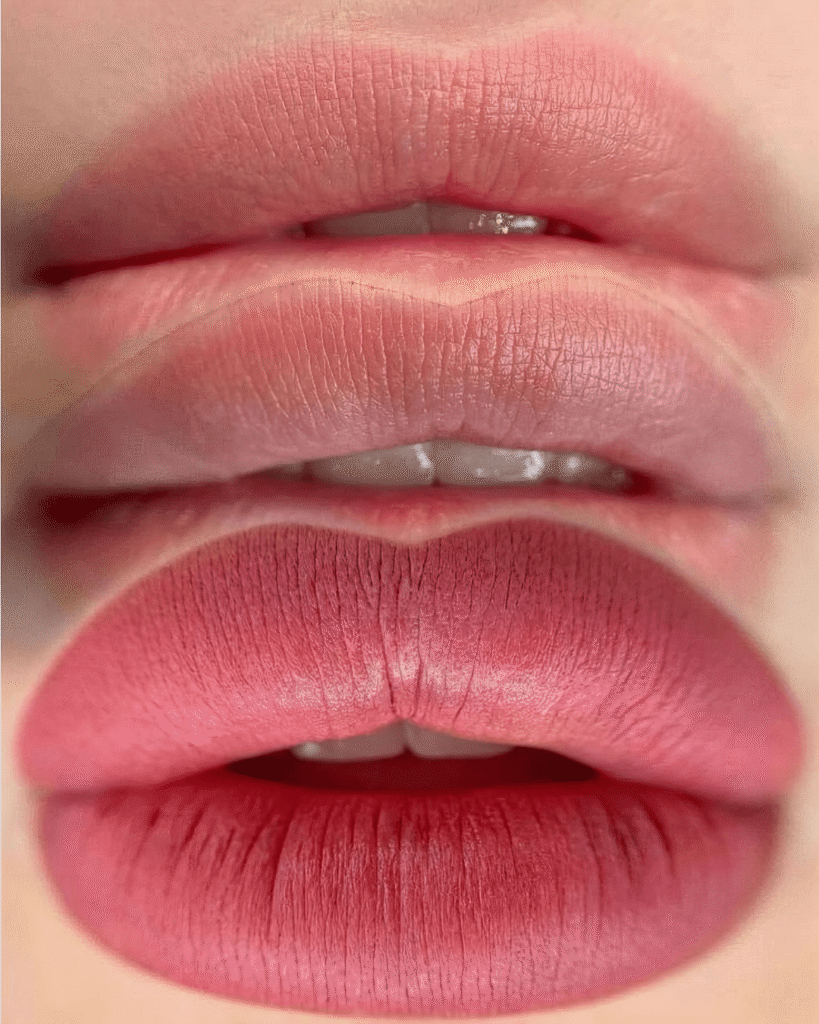
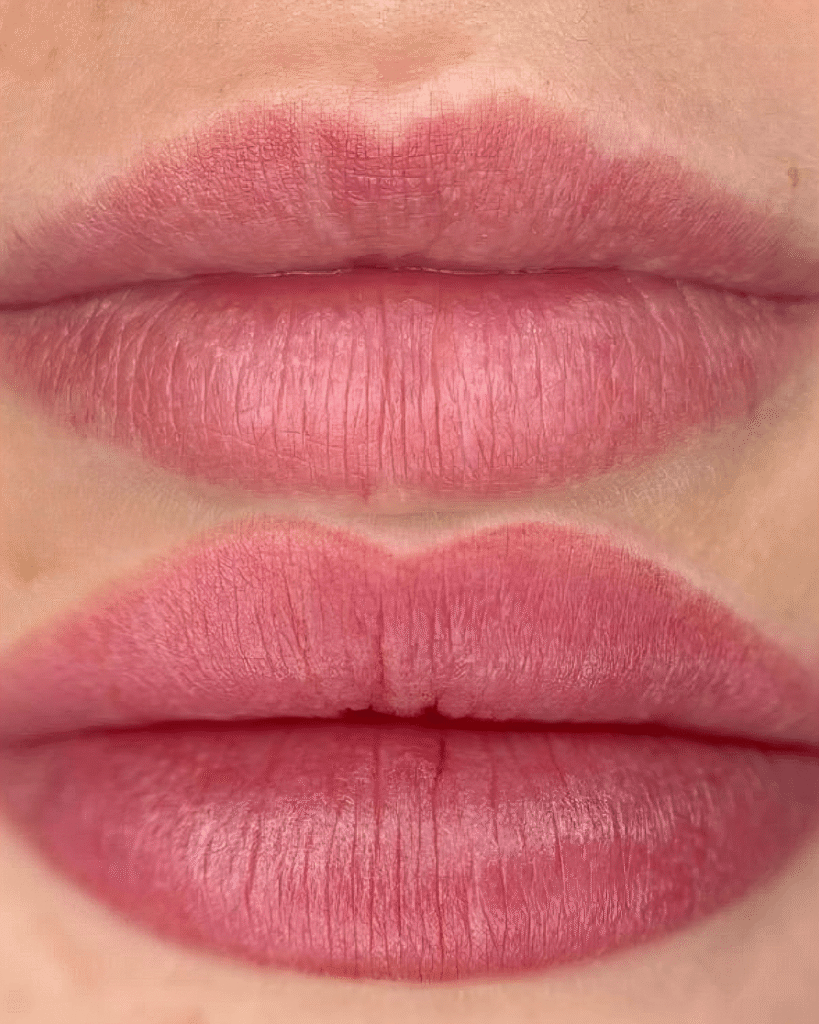
Full Lip Shading
By softly shading the entire lip surface—from the contour gradually blending inward—we can achieve a more defined and expressive look. The color choice is fully customizable: vivid shades can create a bolder, fuller effect, while natural, pastel tones offer a softer, lipstick-like finish.
Important Precautions Before Your Treatment
- Please stop any tanning activities — including UV exposure and sunbeds — at least two weeks before your appointment.
- If you receive peeling or exfoliating treatments, make sure the last session is scheduled a minimum of 2 weeks prior to your pigmentation.
- If you previously had permanent makeup done in another salon on the same area, we kindly ask you to come in for a short consultation before booking your treatment.
- When making your reservation, please inform us of any skin conditions, moles, birthmarks, scars, or if you are taking blood-thinning or anticoagulant medications.
- To help reduce the chance of post-treatment herpes flare-ups, we recommend starting a Lysine-C or Telviran regimen approximately 10 days before your session.
50% off your touch-up when you return within 15 months.
Keep your brows looking their best with our discounted renewal offer.
Cautions to take after the treatment
For ideal healed results, it is crucial to follow a few important guidelines during the healing process. Please read the instructions below carefully to ensure safe and satisfactory healing.
The complete healing process of the skin takes around 6 weeks, and during this period several natural changes may occur in both the skin structure and the appearance of the pigmentation.
Shortly after the permanent pigmentation procedure, a scab will begin to form on the treated area. This scab is similar to what you would see on a small cut or bruise. This dry, firm crust develops over a few days and will naturally peel off on its own within 10–14 days. It is essential that the scab stays dry, and the peeling process must not be forced or accelerated.
During the first two weeks after the treatment, please follow these guidelines:
- do not pick, scratch or touch the treated area in any way
- if touching is necessary, ensure your hands are thoroughly washed and/or sanitized
- avoid saunas, pools, steam rooms or intense workouts that cause excessive sweating — this helps keep the scab dry and reduces the risk of infection
- do not apply skincare products or makeup on the treated area — this prevents unwanted moisture, rubbing, and potential irritation
- you may wash your face as usual, but be gentle around the treated area and pat it dry immediately with a clean towel
- avoid all types of sunbathing, including solariums
- if you must be in direct sunlight, apply a thin layer of SPF 50 sunscreen
- do not undergo peeling treatments or steam-based cleansing facials
During this time, natural changes may appear in how the tattoo looks. In the first couple of days, the color may darken and will stay deep until the scab begins to peel. Red tones are normal, as small traces of blood can appear in the area; these will be reabsorbed by the body or shed along with the scab. The crust may become very dry, crack and peel off in small pieces. Uneven color and shape are normal during this stage due to differences in skin thickness in various areas.
Once the scab has fully fallen off, you may return to your normal daily routine. You can safely visit saunas, pools, and steam rooms, apply makeup or your preferred skincare products, and enjoy facial treatments of your choice — except plastic surgery. You may also expose the area to sunlight, provided you use SPF 50, although extended sun exposure is still strongly discouraged.
Throughout the remaining 6-week healing process, you may notice:
- the tattoo color appearing patchy, uneven, very light, or looking as though it has temporarily disappeared — this happens because different layers of the skin heal at different speeds
- the shape may look slightly asymmetrical for a period of time — caused by the same uneven healing process
These temporary changes will gradually fade and stabilize by the end of the 6 weeks.